Choosing video games for your loved ones!
If you don't play video games, you might not be aware that one size does not fit all with them. Video games can be innocent and cheerful, like with Mario Party or Farmville. They can also be horrifying or ridiculously violent, like with Grand Theft Auto or Resident Evil. Not everybody plays video games, so how do you know which ones are right to get as a gift for your loved one?
No need to worry! In the United States we have a wonderful group called the Electronic Software Ratings Board, or the ESRB for short. These guys and gals rate video games on a scale of how appropriate they are for different ages, just like how movie ratings work.
The ESRB is not a government agency. It was created by the video game industry to regulate itself so that the government didn't have to. The ESRB's ratings are not technically law, and so games aren't legally required to have these ratings on them, but the gaming and retail industries decided that it was in the best interest of everyone involved if they all got on board with this system. So if you're a video game creator in the US, you will be playing along or you won't be able to sell your game.
The gaming industry enforces the ESRB's system by not allowing unrated games onto consoles or digital retailers like Steam, and the retail industry enforces it by refusing to stock unrated games and often require a customer to present photo ID when buying games meant for mature audiences.
You will usually find the ESRB's rating symbol in the bottom-left corner of a game's packaging.
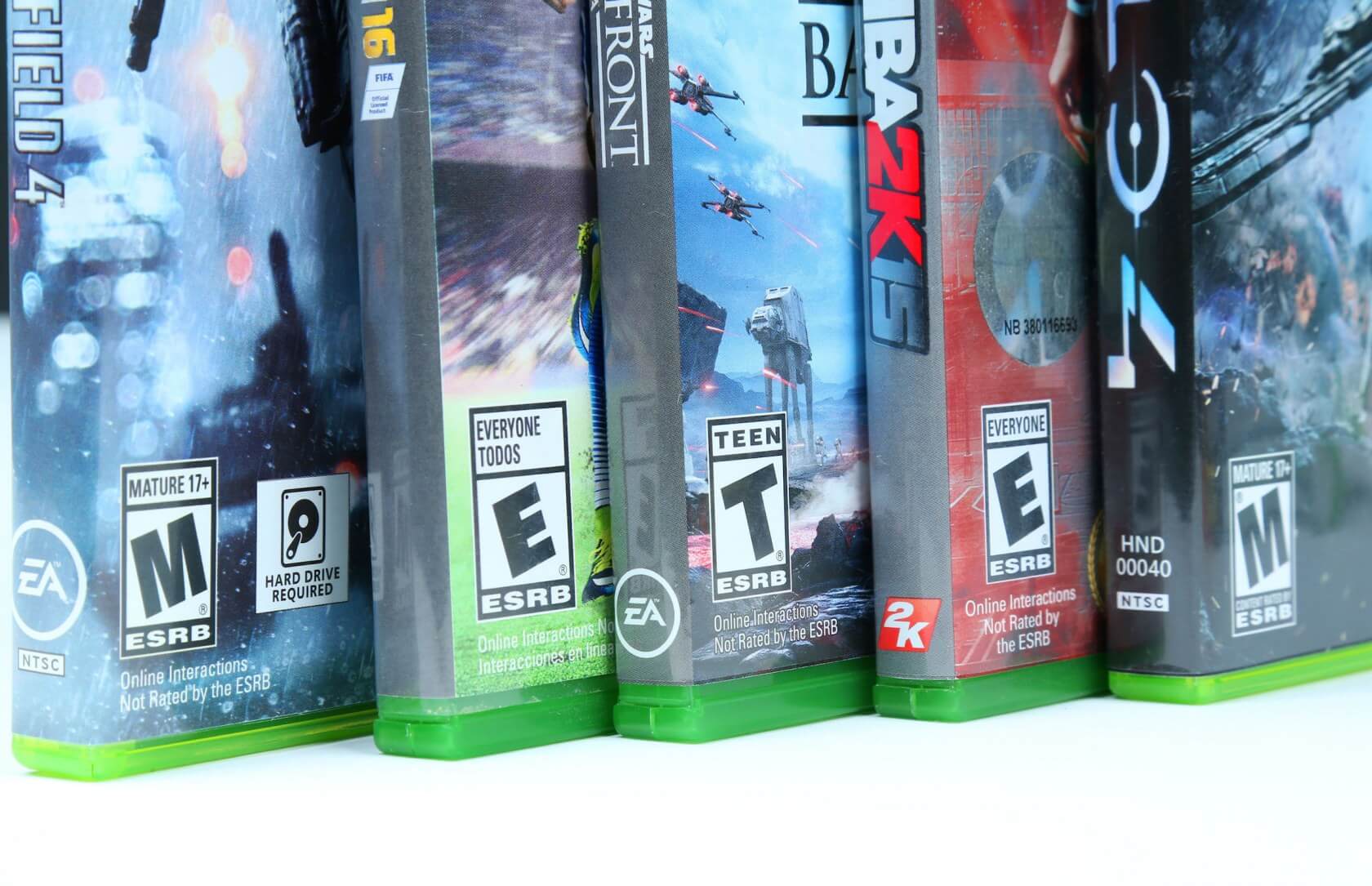
There will also be a slightly longer version on the back that tells you why the game got the rating that it did, and what you can expect to experience when playing it.

The ESRB currently has seven different ratings for video games. These are, in order of age-appropriateness:

Early Childhood (EC) - These games are aimed at a preschool audience, with content and gameplay that parents will not have a problem with for this age range. These games often have very simple gameplay and an easy-to-follow story (if they have a story) so that the child is not overwhelmed or confused.

Everyone (E) - The name says it all! Titles rated E are suitable for people of all ages. The worst that these games might contain is infrequent or cartoon violence, and very rare instances of mild language. They are complex enough to be a challenge, but nothing that a child couldn't figure out.

Everyone 10 and Up (E10+) - These games are still very tame, all things considered. They're a little bit more mature, but no so far that they would require a Teen rating. A title is likely to get this rating if it's a little too complex for the youngest of children to play, has a bit more violence, or has one too many fart jokes.
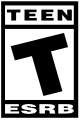
Teen (T) - This is the middle ground of video games. Teen titles are appropriate for anyone who is 13 or older. A game would get this rating if it had more violence than a Looney Tunes cartoon and depicts blood, has constant crude humor, has mild to moderate use of the potty words, and may occasionally have some suggestive content. If you would see it on the Simpsons, you'll likely see it here.

Mature (M) - These games are appropriate for players aged 17 or older. Much like seeing an R-rated movie, you usually have to present photo ID to buy these. M-rated titles will have constant use of strong foul language; intense and/or realistic violence including blood, gore, and dismemberment; sexual content and partial nudity; and more complicated stories and gameplay than younger children could handle. This is also the highest-rated type of game that you can usually buy in the US.

Adults Only (AO) - This is the strongest rating the ESRB issues. An AO-rated game is not suitable for any children to play. This rating is also known as "the death blow," because your game will not be sold in any reputable store in the US if it gets this rating, nor will it be released on any console. AO games will have extreme violence including mass murder, explicit sexual content, graphic nudity, and actual gambling with real money
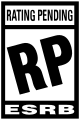
Rating Pending (RP) - The ESRB hasn't gotten to this game yet, but they will. This is a placeholder used until a game can be rated.
Like anything else, the ESRB ratings system isn't perfect. Some people think they're too easy on games that deserve stronger ratings, and some people think that the organization is too harsh and stifles creativity. Sometimes, a game can slip through the cracks and have content that deserves a stronger rating but gets missed, like with the Hot Coffee incident of 2005.
It's also important to know that the ESRB does not rate any interactions a player has when they are playing online. These experiences are completely out of their control, and as we all know, the best AND the worst thing about the internet is that anyone can say anything... for better or worse. If a game has online play, it will say so under the ESRB sticker on the back of a game's box, like this:

But overall, the ESRB's system has been regarded as the most effective ratings system of age appropriateness in North America by many organizations, including the Federal Trade Commission. So if you learn these guidelines, and stick to them when buying a game for yourself or someone you love, you'll probably be making a pretty great decision.
No need to worry! In the United States we have a wonderful group called the Electronic Software Ratings Board, or the ESRB for short. These guys and gals rate video games on a scale of how appropriate they are for different ages, just like how movie ratings work.
The ESRB is not a government agency. It was created by the video game industry to regulate itself so that the government didn't have to. The ESRB's ratings are not technically law, and so games aren't legally required to have these ratings on them, but the gaming and retail industries decided that it was in the best interest of everyone involved if they all got on board with this system. So if you're a video game creator in the US, you will be playing along or you won't be able to sell your game.
The gaming industry enforces the ESRB's system by not allowing unrated games onto consoles or digital retailers like Steam, and the retail industry enforces it by refusing to stock unrated games and often require a customer to present photo ID when buying games meant for mature audiences.
You will usually find the ESRB's rating symbol in the bottom-left corner of a game's packaging.
There will also be a slightly longer version on the back that tells you why the game got the rating that it did, and what you can expect to experience when playing it.
The ESRB currently has seven different ratings for video games. These are, in order of age-appropriateness:
Everyone (E) - The name says it all! Titles rated E are suitable for people of all ages. The worst that these games might contain is infrequent or cartoon violence, and very rare instances of mild language. They are complex enough to be a challenge, but nothing that a child couldn't figure out.
Everyone 10 and Up (E10+) - These games are still very tame, all things considered. They're a little bit more mature, but no so far that they would require a Teen rating. A title is likely to get this rating if it's a little too complex for the youngest of children to play, has a bit more violence, or has one too many fart jokes.
Teen (T) - This is the middle ground of video games. Teen titles are appropriate for anyone who is 13 or older. A game would get this rating if it had more violence than a Looney Tunes cartoon and depicts blood, has constant crude humor, has mild to moderate use of the potty words, and may occasionally have some suggestive content. If you would see it on the Simpsons, you'll likely see it here.
Mature (M) - These games are appropriate for players aged 17 or older. Much like seeing an R-rated movie, you usually have to present photo ID to buy these. M-rated titles will have constant use of strong foul language; intense and/or realistic violence including blood, gore, and dismemberment; sexual content and partial nudity; and more complicated stories and gameplay than younger children could handle. This is also the highest-rated type of game that you can usually buy in the US.
Adults Only (AO) - This is the strongest rating the ESRB issues. An AO-rated game is not suitable for any children to play. This rating is also known as "the death blow," because your game will not be sold in any reputable store in the US if it gets this rating, nor will it be released on any console. AO games will have extreme violence including mass murder, explicit sexual content, graphic nudity, and actual gambling with real money
Rating Pending (RP) - The ESRB hasn't gotten to this game yet, but they will. This is a placeholder used until a game can be rated.
Like anything else, the ESRB ratings system isn't perfect. Some people think they're too easy on games that deserve stronger ratings, and some people think that the organization is too harsh and stifles creativity. Sometimes, a game can slip through the cracks and have content that deserves a stronger rating but gets missed, like with the Hot Coffee incident of 2005.
It's also important to know that the ESRB does not rate any interactions a player has when they are playing online. These experiences are completely out of their control, and as we all know, the best AND the worst thing about the internet is that anyone can say anything... for better or worse. If a game has online play, it will say so under the ESRB sticker on the back of a game's box, like this:

But overall, the ESRB's system has been regarded as the most effective ratings system of age appropriateness in North America by many organizations, including the Federal Trade Commission. So if you learn these guidelines, and stick to them when buying a game for yourself or someone you love, you'll probably be making a pretty great decision.

Comments
Post a Comment